
Rooftop Solar for Industrial Facilities: Design and Safety Considerations for Large-Format Installations
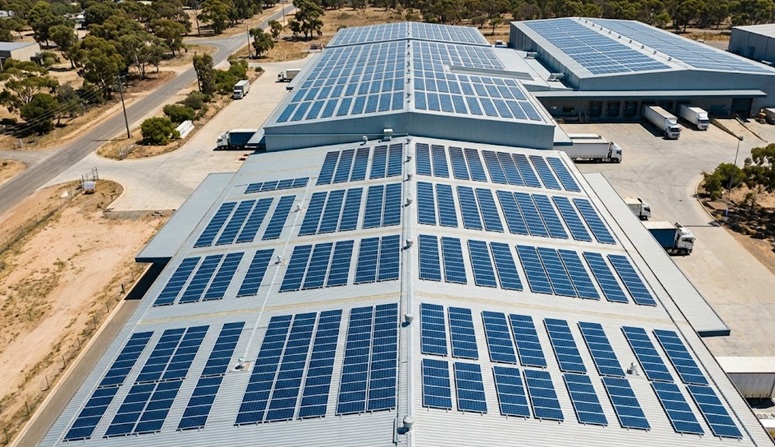
Industrial facilities across Australia are increasingly turning to rooftop solar installations to reduce energy costs and meet sustainability targets. However, large-format commercial and industrial rooftop solar systems present unique engineering challenges that differ significantly from residential installations. These projects demand rigorous structural load assessment, electrical design considerations, and comprehensive industrial solar safety systems to ensure […]
Dust and Heat Management in Remote BESS Installations: Thermal Control for Australia’s Harshest Climates
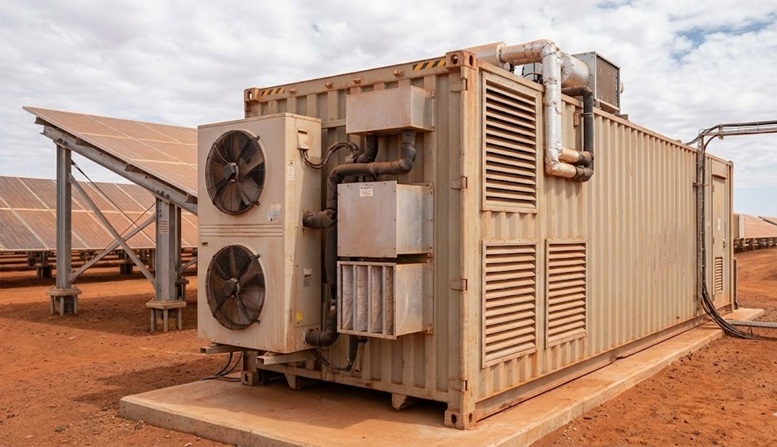
Battery energy storage systems deployed across remote Australian sites face environmental conditions that would cripple conventional installations within months. Temperatures exceeding 45°C, dust storms carrying tonnes of abrasive particles, and humidity swings from near-zero to monsoon saturation create a hostile operating environment that demands purpose-engineered thermal management strategies. Without effective BESS thermal management protocols, battery […]
Construction Site Electrification: Battery-Backed Power for Cranes, Tools, and Site Offices
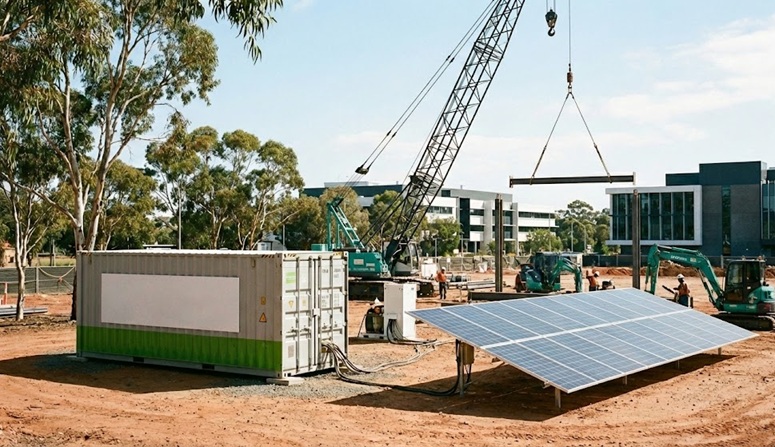
Construction sites in remote Australian locations face a persistent challenge: reliable, cost-effective power delivery to cranes, tools, and site offices without grid connection. Diesel generators have dominated this space for decades, but rising fuel costs, emissions regulations, and noise restrictions are forcing project managers to reconsider their approach to construction site electrification. Battery-backed power systems […]
Lithium-Ion vs. Flow Batteries: Choosing the Right Energy Storage Technology for Remote Applications
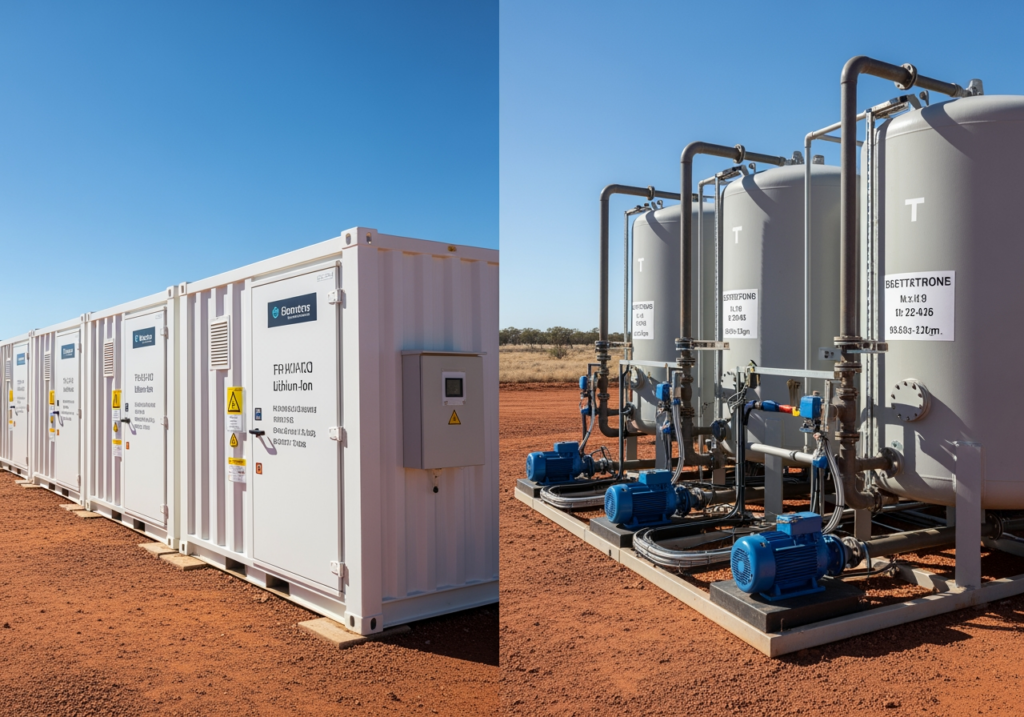
Remote industrial operations across Australia’s Pilbara, Kimberley, and Goldfields regions face a critical decision when integrating renewable energy: which battery technology delivers the most reliable, cost-effective performance in harsh conditions? The choice between lithium-ion vs flow batteries determines not just system performance, but long-term operational costs, maintenance requirements, and the ultimate success of diesel offset […]
Hybrid Power System Design: Optimising Renewable Integration for 24/7 Reliability
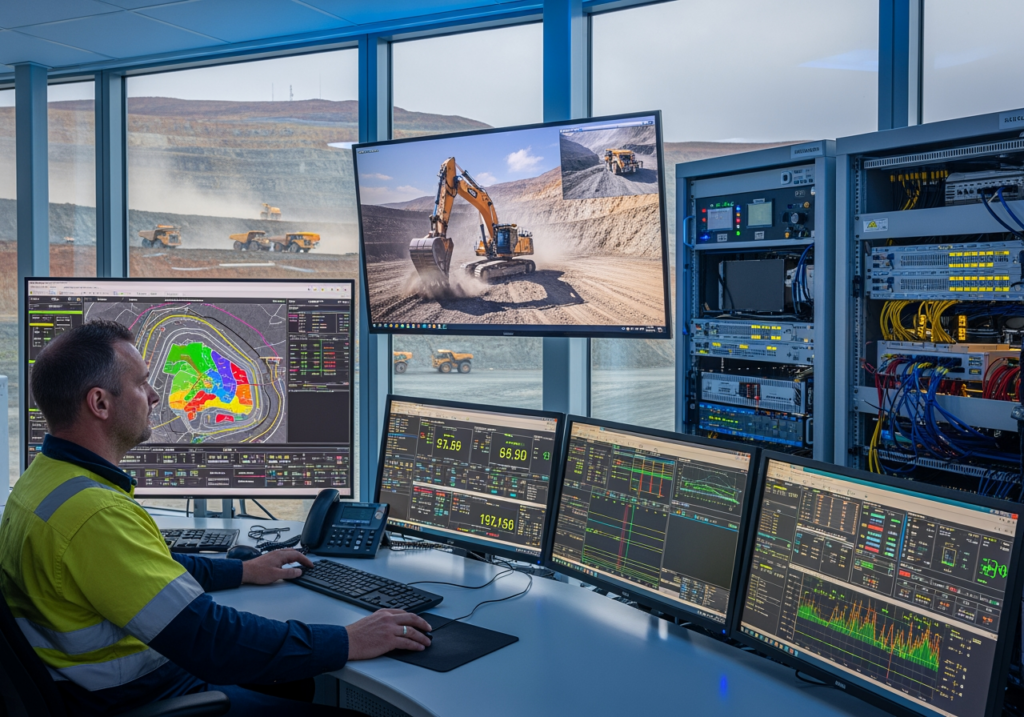
Remote industrial sites across the Pilbara, Kimberley, and Goldfields face a persistent challenge: maintaining continuous power in locations where grid connection costs millions and diesel generators burn through operational budgets. A mining camp 400 kilometres from the nearest transmission line can spend $800,000 annually on diesel fuel alone, whilst a remote pumping station might see […]
Decarbonizing Mining Operations: How Off-Grid Renewable Energy Reduces Carbon Emissions by 65%
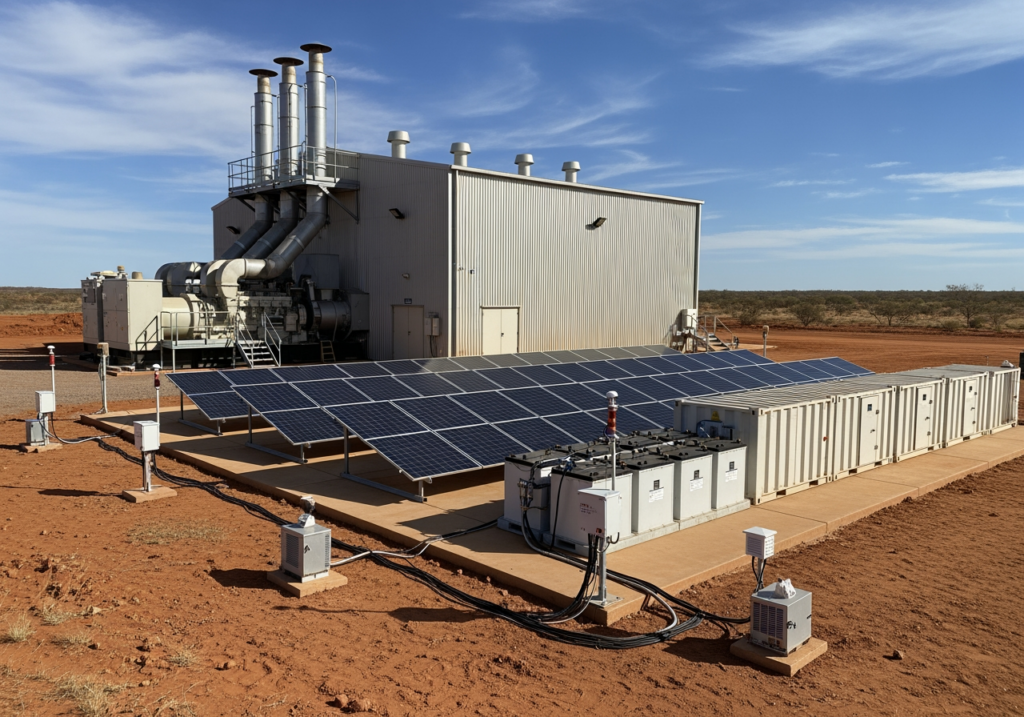
Remote mining operations across Australia’s Pilbara, Kimberley, and Goldfields regions consume approximately 8-12% of the nation’s diesel fuel annually. A single remote mine site can burn through 15-25 million litres of diesel each year, generating between 40,000-65,000 tonnes of carbon emissions. As mining companies face increasing pressure from investors, regulators, and stakeholders to demonstrate credible […]
Power Solutions for Remote Mining Sites: From Exploration to Full-Scale Operations
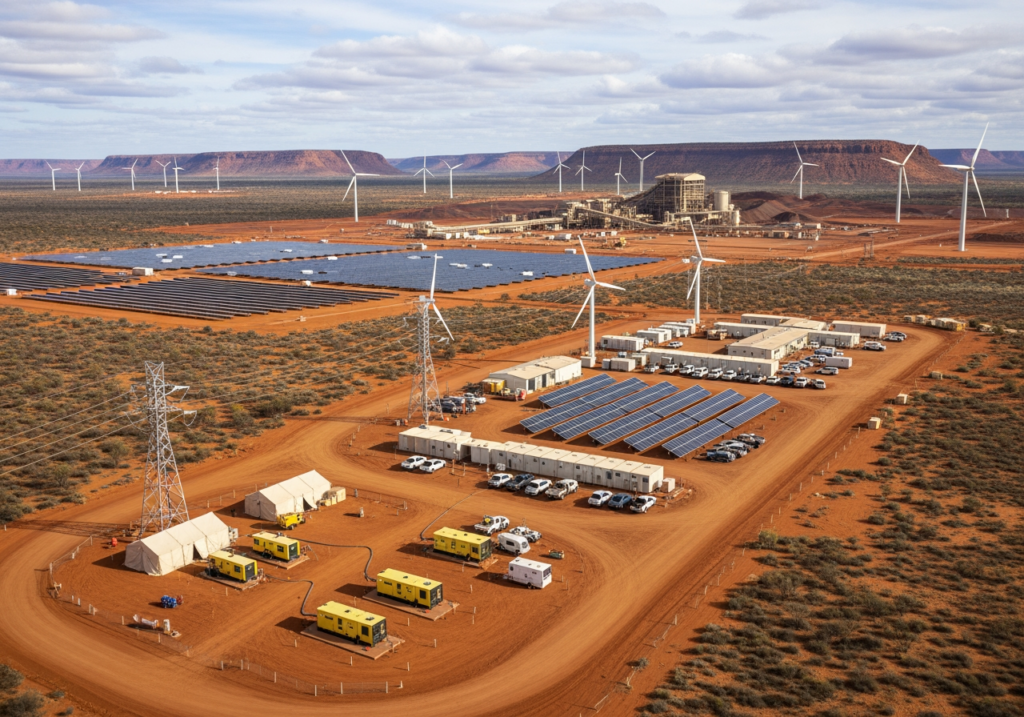
Remote mining operations face a fundamental challenge that determines their viability: securing reliable, cost-effective remote mining power in locations where grid connection costs can exceed $50 million for just 100 kilometres of transmission line. Whether drilling exploratory holes in the Pilbara or running full-scale gold extraction in the Goldfields, every mining phase demands power solutions […]
Meeting Mining Industry Net Zero Targets with Hybrid Renewable Energy Systems
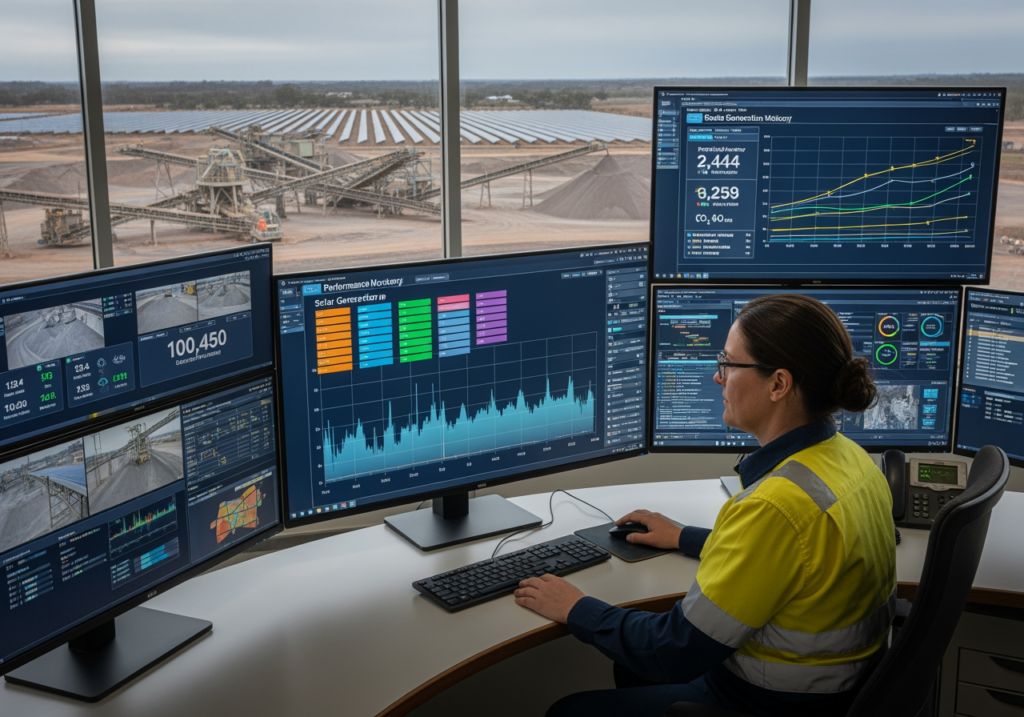
Mining operations across Australia face mounting pressure to decarbonise. Major resource companies have committed to mining net zero targets by 2050, with interim objectives demanding 30-50% reductions by 2030. Remote sites burning diesel for baseload power account for significant portions of operational emissions – some sites generate over 100,000 tonnes of CO2 annually from power […]
How Australia’s Mining Sector Is Leading the Transition to Renewable Energy
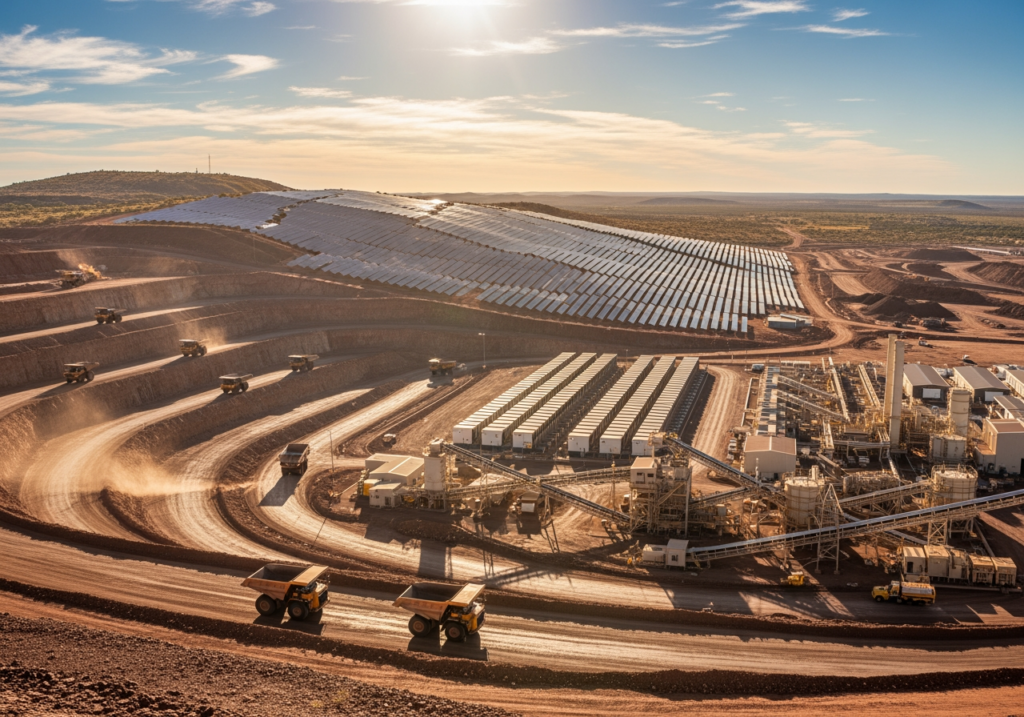
Australia’s mining sector consumes approximately 15% of the nation’s total electricity generation, a staggering figure that translates to billions in annual energy costs and millions of tonnes of carbon emissions. Yet this energy-intensive industry has emerged as an unexpected leader in the transition to renewable power, driven by practical economics rather than environmental rhetoric alone. […]
Reliable Power for Mining Dewatering Pumps: Solar-Battery-Diesel Integration
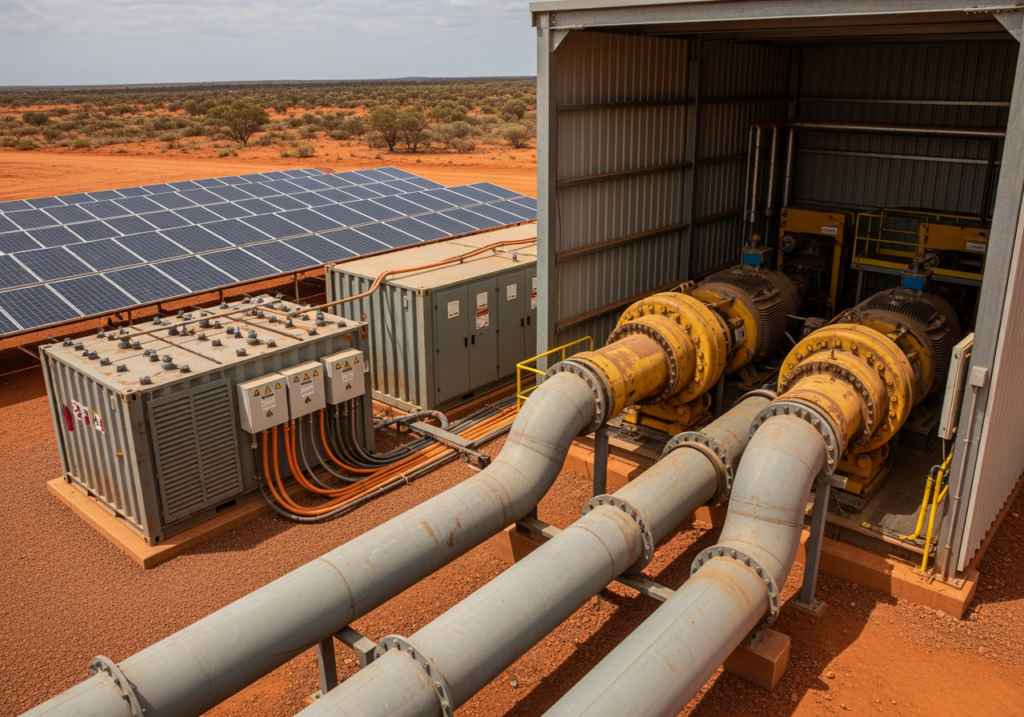
Dewatering operations at remote mine sites consume massive amounts of energy, often running continuously to prevent flooding of underground workings or maintain dry conditions in open-cut operations. A typical dewatering pump array drawing 200-500 kW can burn through 150,000-300,000 litres of diesel annually at sites without grid connection, translating to $200,000-$400,000 in fuel costs alone […]